Spooky Peds Hem Nurse: A Designer’s Review
As an embroidery designer who has spent countless hours digitizing and stitching out thousands of files, I have learned that not every digital asset translates well to thread. When I first encountered Spooky Peds Hem Nurse, my initial reaction was one of cautious curiosity. The concept blends a specific professional niche with seasonal whimsy, a combination that can either result in a charming bestseller or a confusing mess if not executed with precision. This review breaks down how this design performs in real-world applications, moving beyond the marketing hype to evaluate its practicality for crafters, Etsy sellers, and boutique owners.
First Impressions and Visual Personality
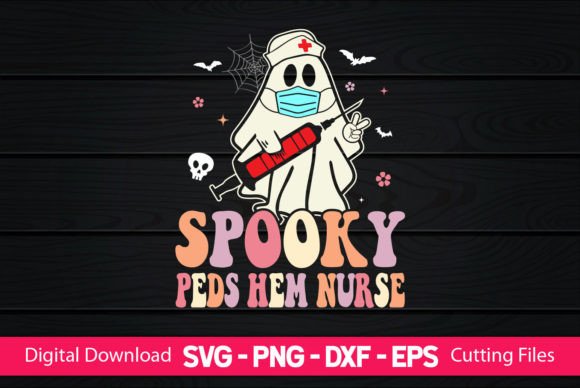
The mood of Spooky Peds Hem Nurse is immediately apparent. It strikes a balance between playful and professional, which is crucial for healthcare-themed merchandise. For those of us in the Crafts and Graphics space, we know that medical professionals are often underserved by generic holiday designs. This file attempts to fill that gap. Visually, the layout suggests a focus on clarity. In embroidery, clutter is the enemy. If the lines are too close together or the details are too fine, the machine will struggle, and the final product will look muddy.
From a designer’s perspective, the theme lends itself naturally to autumn projects. However, because it references "Peds" (Pediatrics) and "Hem" (likely Hematology or a play on words regarding blood/halloween), the color palette choices become critical. A standard orange and black scheme might feel too generic. Instead, I envision using soft pastels mixed with deeper tones to maintain the pediatric friendly vibe while acknowledging the spooky element. This duality makes it a versatile embroidery file for those looking to create unique design assets that stand out in a saturated market.
Real-World Application: The Custom Tote Test
To truly evaluate Spooky Peds Hem Nurse, I mentally placed it into a recent project scenario: a custom order for a pediatric nurse who wanted a personalized gift for her colleagues. I chose a heavy-weight canvas tote bag design as the base. Canvas is forgiving, but it requires proper stabilization. Before loading the file into my machine, I considered the scale. The design needed to be large enough to show detail but small enough to fit comfortably on the bag without distorting the fabric.
During the stitching process, the performance of the design depended heavily on the stitch types implied by the vector paths. Since the product description lists it as an SVG, PNG, DXF, and EPS file for cutting machines like Cricut and Silhouette, it is important to note that this is primarily a cut file. However, many crafters convert these shapes into machine embroidery design formats using auto-digitizing software or manual digitizing tools. If you are converting this graphic for embroidery, pay close attention to stitch density. Complex shapes from cutting files can result in excessive satin stitches if not adjusted, leading to puckering on thinner fabrics.
For a sweatshirt embroidery project, the thick fabric would handle the density better. I imagined this design centered on the left chest of a fleece zip-up. The contrast between the dark fabric and bright thread colors would make the design pop. Customers reacting to such a piece would likely appreciate the specificity of the reference. It shows thoughtfulness, which increases the perceived value of the handmade product.
Navigating Fabric and Hoop Constraints
While Spooky Peds Hem Nurse has strong visual appeal, there are areas where caution is required. If you plan to use this on stretchy fabric like jersey knits for t-shirts, you must use a high-quality cut-away stabilizer. Without it, the weight of the threads could cause the garment to sag or distort over time, especially after washing. Additionally, if the design includes tiny text or intricate corners, these areas are prone to thread breaks or bird nesting if the needle size is not appropriate.
Curved surfaces present another challenge. Applying this design to a cap or hat requires careful hooping. The curvature can distort the image, making circular elements look oval. I recommend testing the design on a scrap piece of similar fabric before committing to the final item. This step is non-negotiable for professional commercial embroidery work. It ensures that the finished product meets the high standards expected by buyers on platforms like Etsy.
Dark fabrics require special attention to thread colors. If the design relies on subtle shading, it may get lost on black or navy backgrounds. In such cases, consider adding a light-colored underlay or choosing high-contrast thread shades. This adjustment enhances stitching clarity and ensures the design remains legible from a distance.
Business Value and Brand Consistency
For Etsy sellers and small shop product creators, the versatility of Spooky Peds Hem Nurse is a significant asset. It allows for the creation of a cohesive collection. You can offer it on aprons, pillow covers, and even embroidered patch items. Patches are particularly popular right now because they allow customers to add personality to existing garments without permanent alteration. This design, when stitched onto a twill backing, becomes a durable accessory that can be ironed or sewn onto jackets and bags.
The giftability factor is high. Healthcare workers often receive generic gifts. A personalized item that acknowledges their specific department and the season creates an emotional connection. This drives buyer engagement and encourages repeat business. Furthermore, using high-quality printable mockup images that showcase the design on various products can significantly boost conversion rates. Show potential customers how the design looks on a baby embroidery onesie or a kitchen towel to broaden your target audience.
Practical Notes for Designers
Before integrating Spooky Peds Hem Nurse into your workflow, keep these technical considerations in mind:
- File Format Verification: The product description specifies SVG, PNG, DXF, and EPS. These are vector and raster image formats suitable for cutting and printing. If you intend to use this for machine embroidery, you will need to digitize it or ensure you have the correct embroidery file format (such as PES, DST, or JEF) compatible with your machine. Do not assume the downloaded file is ready-to-stitch without checking.
- Test Stitching: Always run a test on scrap fabric. Check for thread breaks, tension issues, and registration accuracy.
- Color Contrast: Plan your thread palette carefully. Use a color wheel to ensure the design stands out against your chosen fabric background.
- Licensing Check: Confirm the license terms provided with the download. Ensure you are compliant with rules regarding commercial embroidery sales if you plan to sell finished items.
- Stabilizer Selection: Match your stabilizer to your fabric. Use tear-away for stable woven fabrics and cut-away for knits and stretchy materials.
In conclusion, Spooky Peds Hem Nurse offers a creative opportunity for designers willing to put in the technical prep work. It is not just a graphic; it is a potential centerpiece for a successful seasonal collection. By respecting the limitations of the medium and focusing on quality execution, you can transform this digital file into a tangible, cherished item. Whether for a holiday embroidery gift or a year-round custom apparel staple, the key lies in thoughtful application and professional finishing.