One Spooky Infusion Nurse: A Designer’s Review
As a designer who has spent countless hours digitizing and testing files for real-world application, I approach every new machine embroidery design with a critical eye. It is not enough for a graphic to look cute on a screen; it must survive the needle, the thread tension, and the wash cycle. When I first opened the folder for One Spooky Infusion Nurse, I was looking for more than just a seasonal novelty. I was evaluating whether this asset could hold its own in a professional embroidery project intended for sale or high-end gifting.
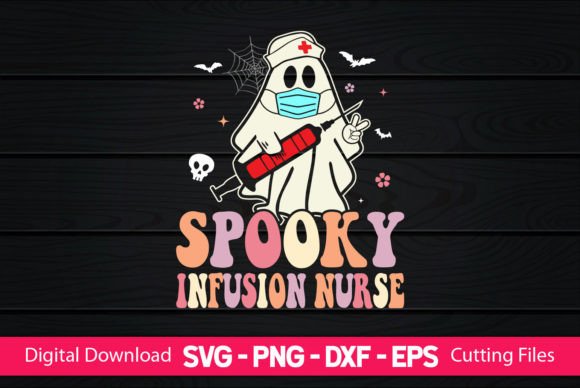
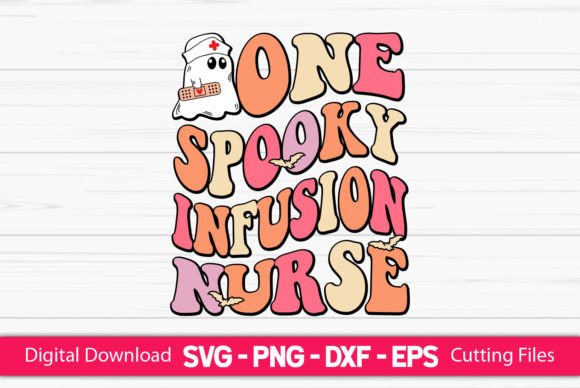
The initial impression is striking. The theme blends healthcare professionalism with playful Halloween aesthetics, a niche that has grown significantly in recent years among nurses and medical staff who want to celebrate their profession without sacrificing holiday spirit. The layout appears balanced, avoiding the common pitfall of overcrowded details that often plague seasonal graphics. For those of us in the Crafts community, finding a design that communicates clearly at various sizes is rare, but this piece seems to prioritize visual clarity.
Real-World Application: The Custom Sweatshirt Test
To truly understand the value of an embroidery file, you have to imagine it stitched out. I visualized this design on a heather grey crewneck sweatshirt, a staple item for any small shop product line. The concept of an "Infusion Nurse" suggests a specific medical role, often associated with IV therapy and long shifts. A design that acknowledges this specific identity resonates deeply with the wearer.
In this scenario, the design would sit centered on the chest or slightly offset to the left breast. The key here is scale. If the elements are too small, the "spooky" details might get lost in the fabric texture. If they are too large, the garment becomes stiff and uncomfortable. Based on the visual weight of the preview, this design seems suited for a medium hoop, allowing enough breathing room for the stitches to lay flat without distorting the knit fabric. For an Etsy seller, this versatility is crucial. It allows you to offer the same design on different apparel types, from lightweight tees to heavy hoodies, simply by adjusting the resize parameters within your software.
Navigating Fabric and Stitch Challenges
While the aesthetic is appealing, practical execution requires caution. Any experienced embroiderer knows that thematic designs often include fine lines or dense areas. When working with One Spooky Infusion Nurse, you must consider the stitch density. If the design relies heavily on fill stitch areas for solid shapes, it may pull on stretchy fabrics like jersey knits. In such cases, using a cut-away stabilizer is non-negotiable to maintain the integrity of the finished product.
Textured fabrics present another challenge. If you plan to use this on a terry cloth towel or a fuzzy fleece blanket, the finer details might sink into the pile. I recommend testing the design on scrap fabric first, ideally using a similar weight and texture to your final material. Pay close attention to any tiny lettering or intricate outlines. If the design includes small text identifying the "Infusion Nurse" role, ensure it remains legible after stitching. Sometimes, converting certain elements to a satin stitch can improve definition, but this depends entirely on how the original vector paths are constructed.
Dark fabrics require special attention to thread colors. A spooky theme often benefits from high contrast. Using bright oranges, purples, or whites against navy or black fabric can make the design pop, but you must ensure there are no gaps in coverage. A quick test run in black and white mockups can help you identify potential visibility issues before you waste expensive thread.
Commercial Viability and Brand Consistency
For craft business owners, the licensing terms are as important as the stitch quality. Since One Spooky Infusion Nurse is described as a digital file for cutting machines, including SVG, PNG, DXF, and EPS formats, it is primarily positioned for vinyl cutting or print applications. However, many designers use these vector files as a base for manual digitization or import them into embroidery software if the paths are clean. It is vital to confirm whether the license permits commercial use of the stitched item. Most reputable creators allow you to sell physical handmade products made with their designs, but reselling the digital file itself is strictly prohibited.
Assuming the license allows for commercial embroidery, this design fits well into a broader collection of medical-themed apparel. It adds variety to a custom apparel lineup that might otherwise feel generic. Customers appreciate specificity. A nurse who works in infusion therapy will feel seen by a design that mentions their specialty, rather than a generic "Nurse" label. This specificity builds customer trust and enhances the perceived value of your personalized gift offerings.
Practical Notes for the Embroiderer
Before committing to a full production run, keep these technical considerations in mind:
- Check the Source Files: Since the package includes SVG and DXF, verify if an actual embroidery format (like PES or DST) is included. If not, you will need to digitize it yourself or use auto-digitizing features, which often require significant cleanup.
- Hoop Size Compatibility: Ensure the design fits within your machine’s maximum hoop size. If you are working with smaller hoops, you may need to split the design or reduce its size, which could impact readability.
- Thread Choice: Stick to traditional Halloween palettes for seasonal appeal, or use hospital scrubs colors like ceil blue or surgical green for a subtle, professional twist.
- Wash Testing: Always wash and dry a test sample. Medical professionals launder their uniforms frequently and at high temperatures. The design must withstand this wear without fraying or fading.
Final Verdict on Design Utility
One Spooky Infusion Nurse offers a charming blend of professional pride and seasonal fun. Its success in a real-world setting depends largely on the embroiderer’s ability to adapt it to the chosen fabric. It is not a plug-and-play solution for every material, but with proper stabilizer selection and thread management, it can become a standout item in your holiday embroidery collection.
For digital product sellers and apparel decorators, this type of niche-specific design is invaluable. It moves beyond generic decor to create a connection with the buyer. Whether used for a tote bag design, a sweatshirt embroidery piece, or a decorative embroidered patch, the key is respecting the limitations of the medium. By treating the design with professional care—testing, adjusting, and refining—you transform a simple graphic into a high-quality design asset that customers will cherish. Always remember to check the specific license terms provided by the creator to ensure your commercial activities are fully compliant, protecting both your business and your creative integrity.